Walk into any cannabis store and one of the first questions you will hear is, 'Are you looking for a sativa or an indica?' For decades this has been the standard way to sort cannabis, and it remains a common starting point. But the full story is more nuanced than the two labels suggest, and understanding it will help you read menus with more confidence.
Where the Labels Come From
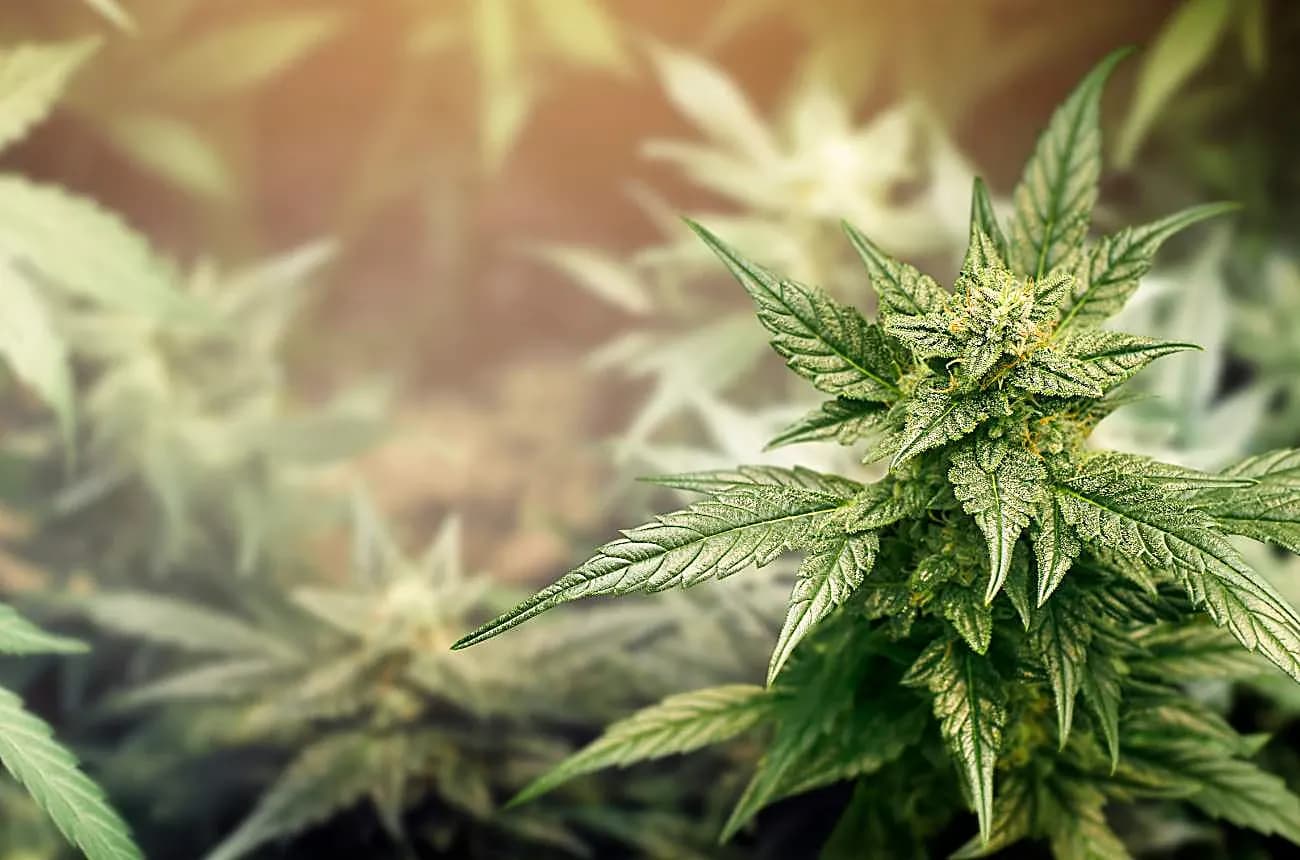
Traditionally, the words sativa and indica described the plant's physical structure and growing characteristics. Sativa plants tend to grow tall and lanky with narrow leaves, while indica plants are typically shorter and bushier with broad leaves. Over time, the industry began using the same words as shorthand for the general character of a variety, and that is how most menus use them today.
What the Shorthand Means
Under that shorthand, sativa-dominant varieties are conventionally described as brighter or more stimulating in character, while indica-dominant varieties are conventionally described as heavier or more calming, with hybrids sitting somewhere in between. It is worth being clear that these are traditional descriptions rather than guarantees: cannabis affects every person differently, and the same product can feel quite different from one individual to the next.
What Modern Research Adds
Here is where modern understanding adds an important wrinkle. Researchers increasingly agree that the sativa-versus-indica label alone is not a reliable predictor of an individual experience. A variety's specific blend of cannabinoids, such as THC and CBD, along with its terpene profile, tells you much more about its character than the category name does. Two 'sativas' can differ from each other as much as a 'sativa' differs from an 'indica.'
Reading a Menu Beyond the Label
So how should you actually navigate a menu? Treat the indica or sativa label as a rough sorting tool rather than a promise. Then dig one level deeper: look at the THC and CBD content, ask about the dominant terpenes, and pay attention to aroma, which is a good clue to a variety's profile. If you are newer to cannabis, lower-THC and balanced THC:CBD products are the cautious place to start.
Building Your Own Preferences
The most reliable approach is careful, gradual experimentation: start with small amounts, keep notes on what you tried, and build your own map of preferences over time. Our budtenders are happy to explain the label information on any product and help you compare options — and remember to consume responsibly and never drive after using cannabis.
Cannabis is legal in British Columbia for adults 19+. This article is general information only and is not medical advice — cannabis affects everyone differently. Please consume responsibly, store all cannabis products securely away from children and pets, and never drive or operate machinery while impaired.